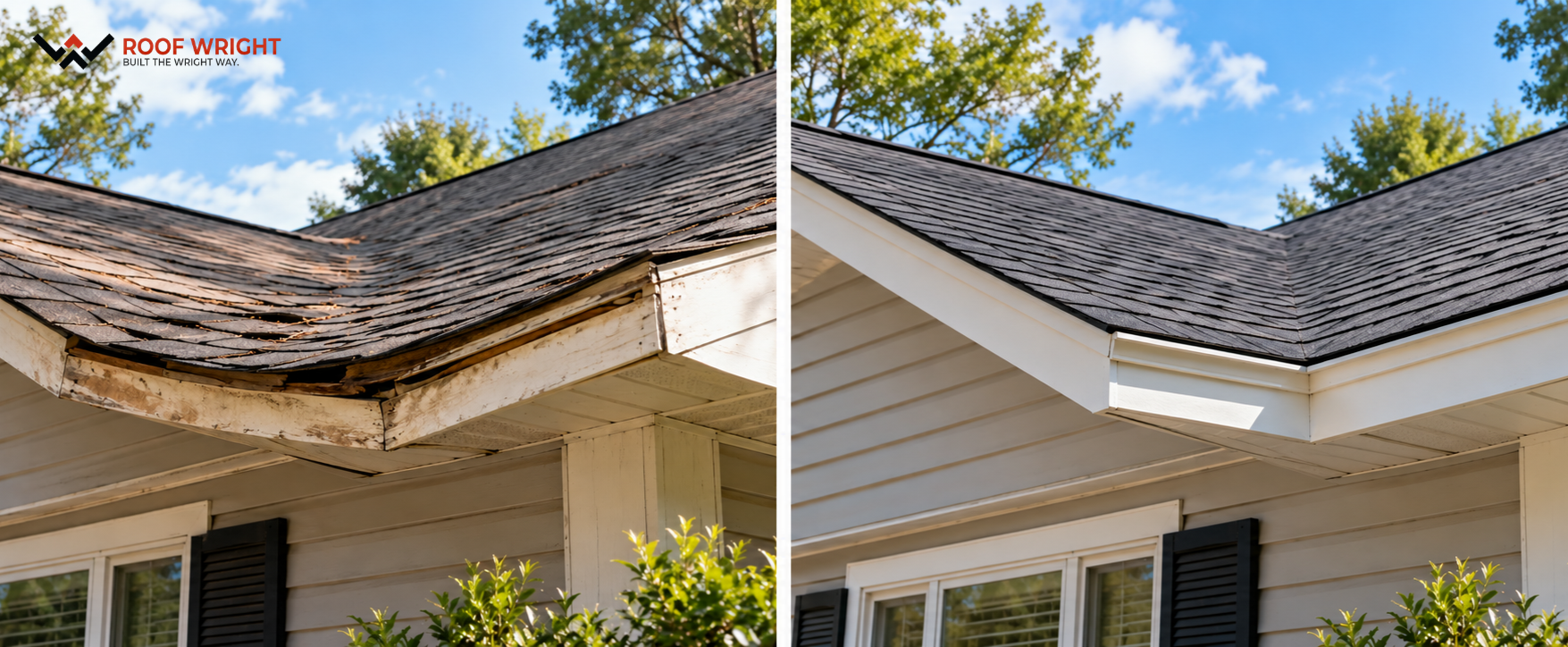
Water Leaking Around Your Chimney or Roof Vents? Damaged Flashing Could Be the Problem
Ha ve you noticed water stains near your chimney, moisture around roof vents, or a mysterious drip after heavy rain? The culprit might be simpler than you think: damaged flashing. Flashing, the thin metal or waterproof material that seals vulnerable roof transitions, can fail and allow water to sneak into places it shouldn't. Homeowners often mistake these leaks for random roof problems, but often, it's really a worn seal around a chimney, vent pipe, skylight, or wall intersection.
Knowing about flashing is important because even a small failure can lead to expensive repairs down the line. Moisture entering through a compromised seam can damage insulation, stain ceilings, rot decking, and encourage mold growth. If you're dealing with a leak, you might want to compare the signs of flashing damage with other common roof issues and consider a professional inspection or roof repair before the problem spreads.
In South Florida, where intense sun, wind-driven rain, and storm seasons test every roofing system, flashing deserves extra attention. A roof might look solid from the ground, while hidden weak points around penetrations slowly let water in. For homeowners wanting a broader roof health check, our roof installation and repair team can assess the full system and recommend the right fix before small issues become major ones.
For more on roof moisture and building envelope protection, the U.S. Department of Energy offers helpful guidance on controlling water intrusion and maintaining efficient home systems at energy.gov. The National Roofing Contractors Association also provides educational resources on roof maintenance and weatherproofing at nrca.net.
What Roof Flashing Does and Why It Fails
The job of flashing on a roofing system
Flashing acts like a protective bridge between different materials and angles on your roof. Whenever a roof plane meets a chimney, vent pipe, dormer, skylight, or wall, the area becomes naturally vulnerable because shingles alone can't create a watertight seal. Flashing fills those gaps by directing water away from seams and into the roof's drainage path.
Good flashing isn't just a patch; it's part of the roof’s overall water management system. Properly installed flashing should work with underlayment, shingles, and sealants to create layered protection. When that layering is missing or damaged, even a moderate rain can start forcing water beneath the roof covering.
Common reasons flashing breaks down
Flashings fail for several predictable reasons. Heat expansion and contraction can loosen fasteners and create tiny gaps. Corrosion can weaken metal flashing, especially when older materials or improper metals were used. Sealants can dry out, crack, or separate over time, and storm impacts can bend flashing out of alignment.
Installation quality matters too. If flashing was cut too short, overlapped incorrectly, or sealed with the wrong materials, a leak may appear long before the roof itself shows visible wear. That's why homeowners often need a more complete inspection, not just a surface-level look at shingles, when they suspect a leak around a roof penetration.
Signs Your Chimney or Roof Vent Leak Is Flashing-Related
Water stains, bubbling paint, and damp drywall
One of the clearest signs of a flashing problem is interior staining near the affected roof feature. A brown ring around a ceiling stain, peeling paint on a wall below a chimney, or bubbling drywall near a bathroom vent often points to slow, recurring water intrusion. These symptoms may show up days or weeks after rainfall, which makes the source harder to spot.
Don't ignore small signs because leaks typically worsen with each storm cycle. Water can travel along rafters, framing members, or insulation before revealing itself indoors, so the stain you see may not be directly under the entry point. If you're seeing ceiling or wall discoloration, related guidance such as why water stains on your ceiling should never be ignored can help you understand why early action matters.
Musty odors and attic moisture
Even when no obvious stain appears, a musty smell in the attic or upper rooms can suggest hidden leakage. Moisture trapped around flashing can soak into wood and insulation, creating an environment where mold and mildew can develop. In humid climates, this process can happen faster than many homeowners expect.
Attic moisture may also show up as rusted nail tips, damp insulation, or dark streaks on roof decking. These signs are especially important because they can confirm a leak long before it becomes visible inside the living space. Homeowners who notice these clues should schedule an inspection rather than waiting for the next rainy season to make the issue worse.
Exterior clues around chimneys and vents
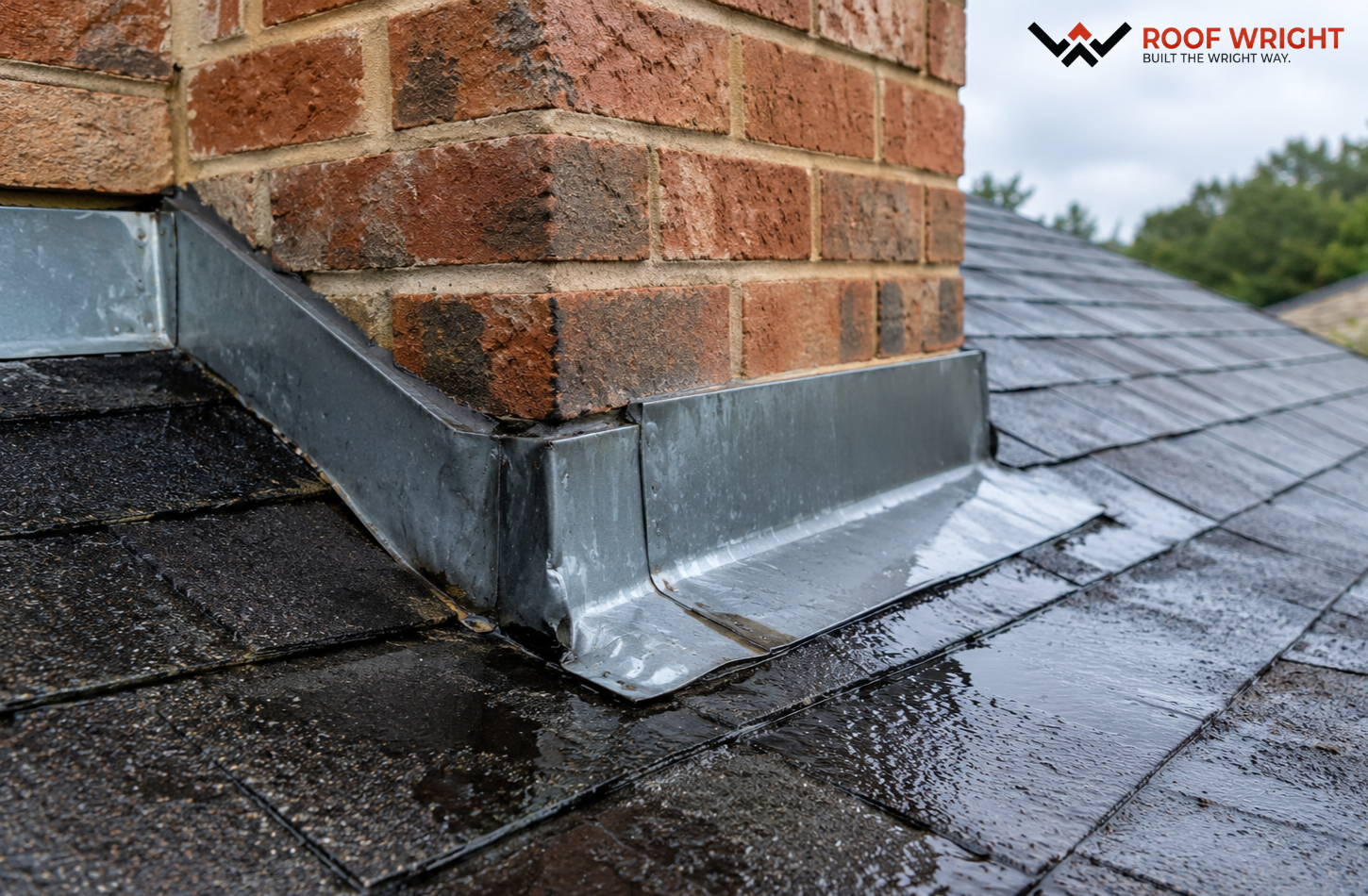
Look closely at the roof from a safe vantage point or from the ground with binoculars. Missing sealant, lifted flashing edges, visible rust, or gaps where metal meets masonry are all warning signs. Around chimneys, the counterflashing and step flashing should sit tightly against the structure; around vents, the boot or collar should look intact and flexible, not cracked or warped.
Sometimes the most important clue is simply age. If the roof is older and the flashing has never been serviced, wear is more likely even if there hasn't yet been a major storm. A routine roofing assessment can identify these risks before water intrusion reaches interior finishes.
Why Chimneys and Roof Vents Leak More Often Than Other Areas
Chimneys create multiple sealing points.
Chimneys are especially prone to leaks because they combine several materials and transitions in one location. Brick or stone meets underlayment, flashing, shingles, and mortar joints, all of which move differently over time. If even one layer fails, water can enter behind the system and spread into surrounding roof areas.
Chimney leaks can also be deceptive because they may be caused by more than one issue at the same time. Damaged flashing, cracked mortar, and worn chimney caps can all contribute to the same symptom. That's why a full inspection is often the fastest way to determine whether the problem is actually the flashing or a combination of related issues.
Roof vents are constant penetration points.
Roof vents serve an important ventilation function, but every penetration through the roof is a potential leak point. Plumbing vent boots, exhaust vents, and attic ventilation stacks all require tight seals that must hold up in heat, rain, and UV exposure. Rubber components are especially vulnerable as they age because they can crack around the pipe or fastener area.
According to the U.S. Environmental Protection Agency, controlling moisture is key to reducing mold risk in homes. That makes roof vent leaks more than an inconvenience, since they can lead to hidden dampness that affects indoor air quality. A compromised vent flashing system should be repaired quickly to protect both the roof structure and the living space below.
How Professionals Diagnose Flashing Problems
Starting with a targeted roof inspection
A professional roofer will begin by identifying the exact roof penetration and tracing the water path. This process includes checking the chimney, vent boots, surrounding shingles, underlayment condition, and any signs of corrosion or sealant failure. The goal is to distinguish between a flashing defect and other issues such as shingle damage, clogged gutters, or storm debris.
For homeowners in need of a thorough evaluation, our roof replacement and inspection services can help determine whether a localized repair is enough or whether the roof has broader wear. In many cases, what appears to be a simple leak can reveal more extensive aging once the surrounding materials are opened and examined.
Using attic and moisture checks to confirm the source
Roofing professionals often inspect the attic to look for active water trails, damp decking, and insulation discoloration. This step is valuable because it shows whether water is entering at a single point or following a hidden path across the roof system. Moisture meters and infrared tools can also help identify trapped wet areas that may not be obvious to the eye.
These diagnostic tools reduce guesswork and help avoid unnecessary repairs. If the leak originates from flashing, the fix may be targeted and efficient. If the surrounding materials are also compromised, the roofer can explain whether a patch, reseal, or section replacement will deliver the best long-term result.
Why temporary sealants are not always the answer
Homeowners sometimes try roof caulk or tar as a short-term fix, but those products rarely solve the root problem. Sealants may hide the leak temporarily while water continues entering through adjacent gaps or damaged layers. Over time, a quick patch can make later repairs more difficult because it obscures the original flashing condition.
Professional repairs focus on restoring the full flashing assembly, not just masking the symptom. That may involve replacing metal components, reinstalling shingles, adding proper counterflashing, or rebuilding the seal around the penetration. In other words, the best repair is the one that restores proper drainage and weather protection instead of just covering the wet spot.
Repair Options for Damaged Flashing
When a reseal is enough
Some flashing leaks can be resolved with resealing if the metal itself is still in good shape and the issue is limited to dried-out caulk or a minor separation. This is most likely when the flashing hasn't rusted, bent, or pulled away from the roof deck. In those cases, a careful cleaning and professional-grade sealant application may restore protection.
Even when resealing works, the area should still be checked later to confirm that the leak has stopped. A homeowner who spots a vent leak after a storm may benefit from this less invasive solution, but the repair should be based on a proper diagnosis rather than guesswork. That helps avoid repeated service calls and unnecessary damage in the meantime.
When flashing replacement is the better choice
If the flashing is corroded, cracked, incorrectly installed, or no longer shaped to fit the roof penetration, replacement is usually the smarter long-term fix. Replacement involves removing the old flashing, checking surrounding materials, and installing a new system that integrates with the roof surface properly. This approach is often needed around chimneys, where multiple flashing layers must be aligned precisely.
For homes with recurring leak issues or more widespread roof aging, homeowners sometimes discover that a larger section of the roof should be addressed at once. In those situations, our metal roofs, tile roofs, and shingle roofing options can be discussed in relation to the home’s structure, style, and performance goals.
Repairing surrounding roofing materials
Flashing repairs are often most successful when the surrounding shingles, underlayment, and trim are also evaluated. A leak can weaken nearby materials even if the visible failure seems small. If the surrounding shingles are curled, brittle, or missing granules, they may need to be replaced as part of the repair.
This holistic approach helps ensure that the repaired area sheds water the way it should. A good roof repair is not just about stopping today’s drip; it is about restoring the roof’s layered defense so the same issue does not return after the next storm.
How Florida Weather Makes Flashing Leaks Worse
Heat and UV exposure weaken seals
Florida roofs face intense sun exposure for much of the year, and ultraviolet radiation can accelerate sealant failure and material aging. Rubber vent boots can dry out, metal fasteners can loosen, and adhesives can lose their grip faster than in milder climates. That means flashing systems in warm coastal environments need regular attention even when there hasn't been a major storm.
High temperatures also cause materials to expand during the day and contract at night. Over time, this movement can open tiny gaps at critical joints. What starts as a minor separation may become a leak when heavy rain or wind-driven moisture pushes water into the opening.
Wind-driven rain can reach weak seams
Storms don't need to rip off shingles to create a leak. Strong wind can force rain sideways under flashing edges, into chimney joints, or beneath a worn vent boot. This is why a roof can appear to survive a storm while hidden damage develops in vulnerable seams.
Local weather patterns make it especially important to pay attention after tropical systems, summer downpours, or long periods of heavy rain. If you suspect storm-related damage, a prompt inspection can prevent a small flashing issue from becoming a larger structural or interior repair. The National Oceanic and Atmospheric Administration provides weather and storm education at noaa.gov, which can help homeowners understand the conditions that often stress roofing systems.
Humidity increases mold and rot risk.
Once water gets past the flashing, humidity can keep the area damp for far longer than expected. In a warm climate, that lingering moisture creates ideal conditions for wood rot and mold growth. The damage may spread outward from the original entry point, affecting insulation, ceiling framing, or adjacent drywall.
This is one reason to act quickly instead of waiting for visible interior damage. A leak that seems small today can become expensive tomorrow if moisture stays trapped inside the roof assembly. Early intervention is almost always the most economical path.
Preventive Maintenance That Helps Avoid Flashing Leaks
Schedule regular roof inspections
The best way to reduce flashing leaks is to inspect roof penetrations regularly, especially after major storms or seasonal weather changes. A professional eye can catch lifted edges, cracked sealant, and corrosion before they turn into active leaks. Annual or semiannual inspections are especially useful on older roofs or homes with multiple vents and masonry features.
If you live in an area where storms are common, routine maintenance is not optional; it's part of protecting your investment. For homeowners who want a service that combines inspection, repair, and long-term planning, a trusted roofing contractor can help document roof conditions and recommend a maintenance schedule tailored to the property.
Keep gutters, debris, and drainage in check
Flashing problems become worse when water is already pooling on the roof. Clogged gutters, leaves near chimneys, and poor drainage around vents can increase the amount of water that lingers near a vulnerable seam. Keeping drainage paths open helps flashing do its job the way it was designed to.
Simple maintenance tasks can make a real difference. Clearing debris, trimming overhanging branches, and checking for loose roofing components all reduce the chance of trapped water and wind damage. These habits are especially helpful on roofs with multiple penetrations, where water naturally collects around transitions.
Watch for early material aging
Homeowners can often spot warning signs before they become leaks. Cracked vent boots, rust on flashing edges, loose mortar near chimneys, or repeated sealant repairs are signs that the area may be nearing failure. Once you see recurring problems in the same spot, it's worth having a professional evaluate the entire assembly.
A little prevention goes a long way because roof penetrations usually fail gradually, not all at once. Keeping an eye on these details can help you avoid emergency repairs during the next heavy rain. In many cases, proactive maintenance is far less expensive than interior restoration after a leak.
Frequently Asked Questions About Chimney and Roof Vent Leaks
Can flashing leaks be fixed without replacing the whole roof?
Yes, many flashing leaks can be repaired without replacing the entire roof. If the roof system is otherwise in good shape, a targeted flashing repair may solve the issue effectively. The right solution depends on the age of the roof, the condition of surrounding materials, and whether the leak is isolated or part of broader wear.
How do I know if the chimney leak is from flashing or masonry?
Both are possible, and sometimes both contribute to the leak. A flashing failure often shows up along the roofline or at the base of the chimney, while masonry issues may appear higher on the structure or through cracked mortar joints. A professional inspection can identify the true source and prevent unnecessary repairs.
Are roof vent leaks dangerous?
They can be. Beyond water damage, leaks around vents can lead to mold, damaged insulation, and electrical concerns if moisture reaches wiring or fixtures. Because vent leaks often happen slowly, many homeowners don't notice them until significant damage has already occurred.
Should I repair flashing myself?
Minor visual issues might look simple, but flashing repairs are usually best handled by a roofing professional. Correct placement, overlap, sealing, and integration with surrounding materials are critical for a lasting fix. A do-it-yourself patch may stop a drip temporarily while allowing hidden water intrusion to continue.
When to Call a Roofing Professional
Call sooner if the leak repeats after rain.
If you see water around your chimney or vent every time it rains, the issue is likely not random. Repeated leaks are a strong sign that the flashing system has failed or that the surrounding roof components need attention. Waiting usually increases the repair cost because water damage compounds quickly.
Homeowners in need of a dependable evaluation can reach Roof Wright LLC for expert inspection, honest guidance, and durable solutions. Our team serves local homeowners who want protection that lasts, whether the fix involves a targeted repair or a broader roofing plan. If your roof also shows signs of aging beyond the flashing area, we can discuss options such as roof repair and roof replacement based on the actual condition of the system.
Call if you notice interior damage or attic moisture
Once moisture has reached the interior, time matters even more. Stains, mold odor, sagging drywall, or damp insulation are signs that the leak has been active long enough to affect building materials. At that stage, a roofing professional should inspect not only the flashing but also nearby roof sections, vents, and structural members.
For homeowners who want a roofing partner with strong experience in Florida conditions, Roof Wright LLC provides practical support from inspection through completion. Whether you need chimney flashing repair, vent boot replacement, or a broader roof solution, addressing the issue early protects your home and helps preserve long-term value.
Protect Your Home Before a Small Leak Becomes a Big Problem
Water leaking around a chimney or roof vent is often a flashing problem, and catching it early can save you money, stress, and structural damage. By understanding the signs, knowing how professionals diagnose the source, and acting quickly when leaks appear, you can prevent a minor seam failure from turning into a major roofing headache. The key is to treat every recurring drip as a warning, not a nuisance.
If you suspect damaged flashing, don't wait for the next storm to prove it. Schedule an inspection, confirm the source, and choose the repair that restores full protection. Roof Wright LLC is ready to help homeowners protect their properties with expert service, lasting workmanship, and roofing solutions built for Florida weather. Contact us today to get the answers you need and the repair your roof deserves.