Why You Shouldn't Ignore Water Stains on Your Ceiling
Seeing a water stain on your ceiling might seem like a minor cosmetic issue you can deal with later. But in reality, it could be the first hint of a bigger problem, like a hidden leak or a roof issue that might be quietly causing damage to your home. If you live in an area that gets a lot of rain or storms, like Florida, even a small stain can quickly lead to a hefty repair bill.
This guide will help you understand what causes those pesky ceiling water stains, why they're important, and how to figure out if the issue is from your roof or plumbing. We’ll also give you some handy tips on what to do next. If you're thinking about getting some help from a trusted roof repair team or considering a roof replacement, knowing the warning signs can help you act before things get worse.
According to the Insurance Information Institute, water damage and freezing make up about 29% of homeowners' insurance claims in the U.S., with an average claim of around $11,000. So, catching these issues early isn't just about maintenance; it's about protecting your wallet, too. Regular roof check-ups are vital, especially if you're weighing the pros and cons of metal roofs versus tile roofs.
What a Water Stain on the Ceiling Really Means
It's a Warning Sign, Not Just a Cosmetic Issue
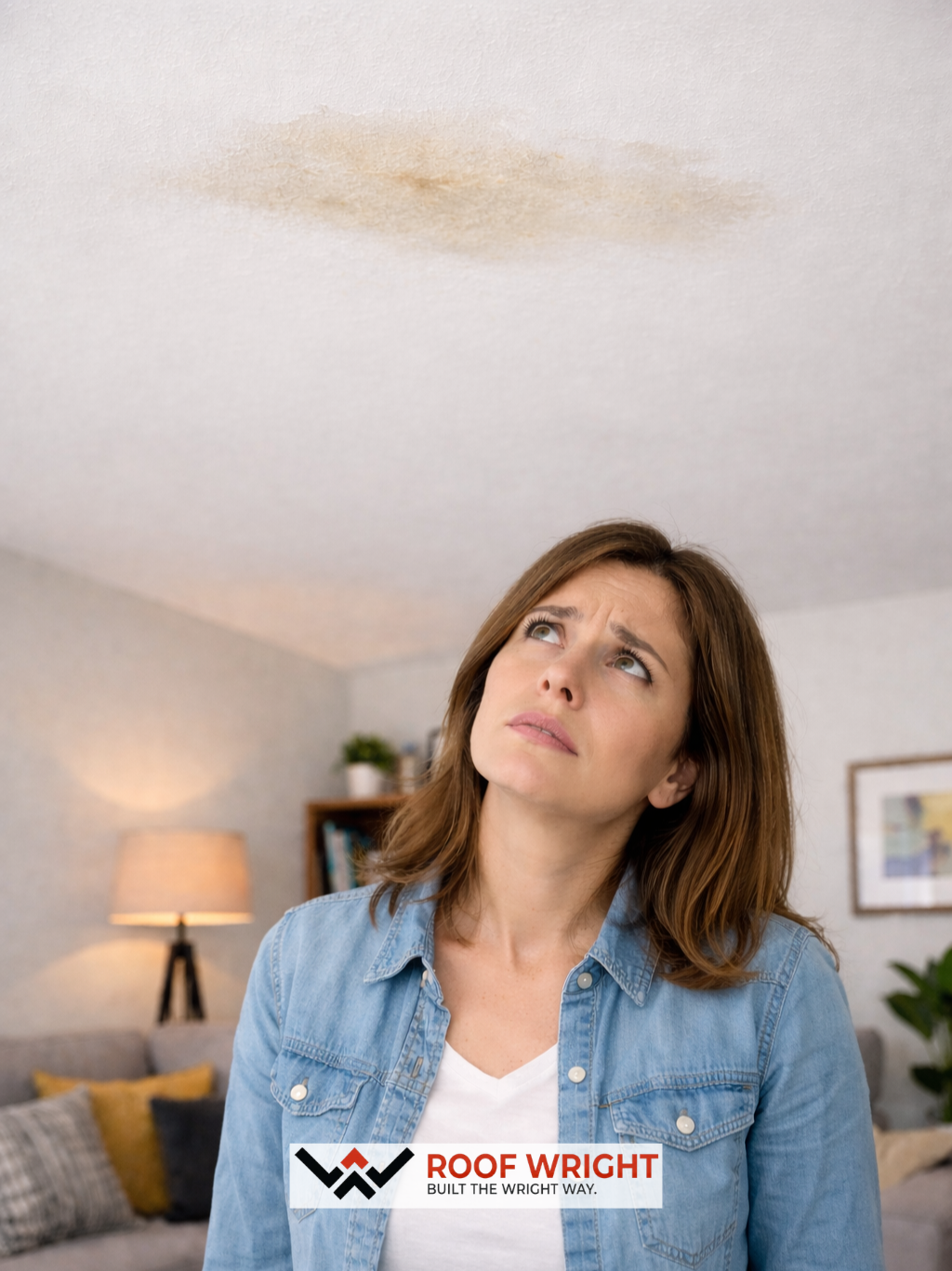
When you see a stain on your ceiling, it usually means moisture has already made its way into your home. Once water gets into drywall, plaster, or insulation, it can start a chain reaction that weakens materials and creates a great spot for mold to grow. Even if a stain looks small, it might be hiding a much bigger problem above.
Many folks think that if a stain looks dry, it's old and no longer a problem. But often, stains reappear after rain or when you use your HVAC system, because the original issue was never fixed. So, don't ignore a stain; it's a symptom, not the main problem.
Why Humidity and Weather Make Stains Worse
Modern homes are built to be energy-efficient, which can trap moisture if the ventilation isn't quite right. In humid places, trapped moisture can condense, causing stains that may not be directly related to a visible leak. Severe weather can also expose your roof to heavier rain and debris, increasing the chances of water getting in.
The Federal Emergency Management Agency suggests checking roofs and drainage paths after big storms because hidden moisture damage can spread quickly. If your home has faced stormy weather before, a professional inspection can help spot weak spots before they turn into bigger problems.
Common Causes of Ceiling Water Stains
Roof Leaks and Damaged Flashing
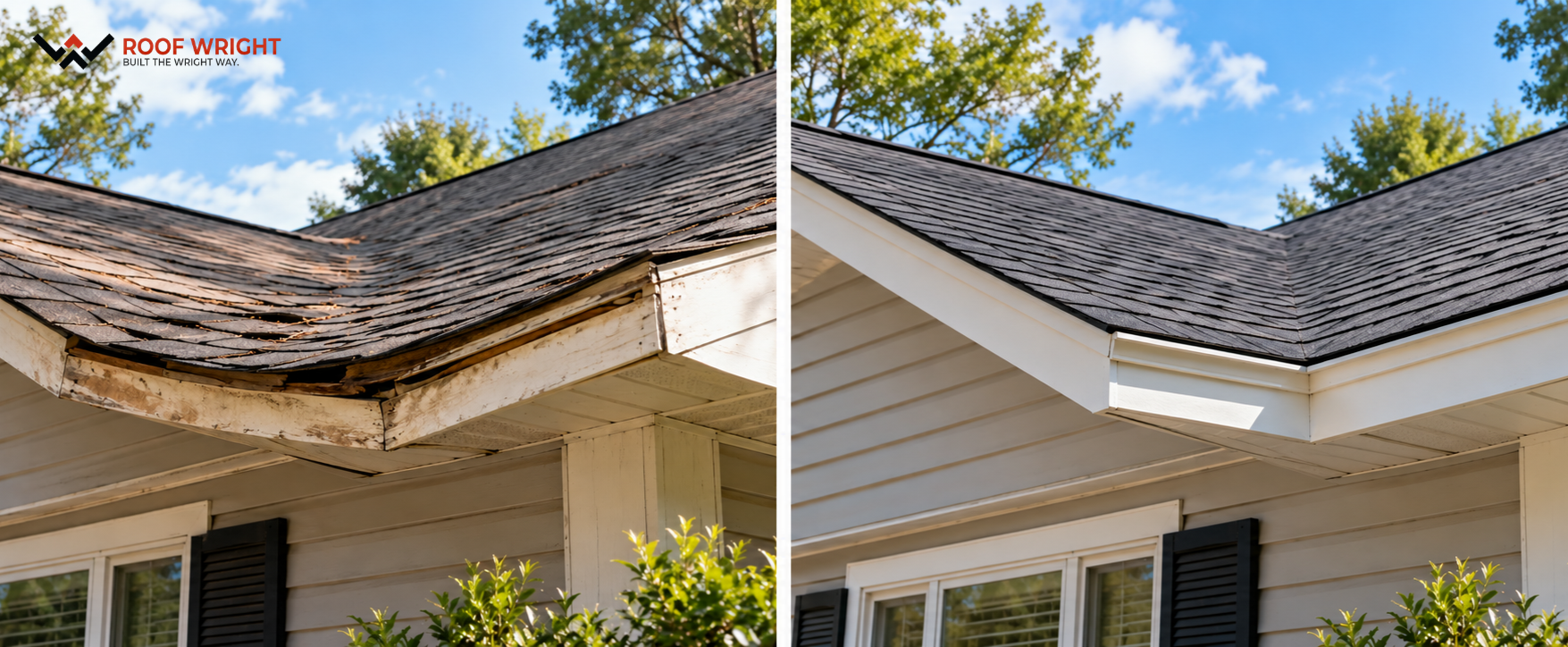
One of the usual suspects for ceiling stains is a roof leak. Things like missing shingles, cracked tiles, or damaged flashing can let rainwater sneak into your attic and eventually into your ceiling. Often, the stain shows up far from the actual leak because water travels along structural elements before it becomes visible.
Roof leaks tend to get worse over time. A single loose shingle might not cause immediate dripping, but with repeated exposure, it can saturate wood and insulation. If you think your roof might be the culprit, it's best to get it checked out before the next storm hits, and consider whether your roof might need shingle roofing service or an upgrade.
Plumbing Leaks Above the Ceiling
Leaks from bathroom lines, supply pipes, and appliance connections can happen slowly inside walls or above ceilings, often creating circular stains, soft drywall, or peeling paint below plumbing fixtures. These leaks might be small enough to avoid obvious dripping, but they can cause serious hidden damage over time.
If the stain is directly under a bathroom, kitchen, or utility area, plumbing might be to blame. Sometimes, a roofer might still be involved if the stain has spread to the attic or roof deck, but you’ll also need to check the plumbing thoroughly.
HVAC Condensation and Drainage Issues
Air conditioning systems can generate condensation, and if drain lines clog or pans overflow, it can leave stains on ceilings below. Poorly insulated ducts might also lead to condensation in attic spaces. Since cooling systems run often in hot and humid climates, this is a common source of recurring stains.
According to Energy Saver by the U.S. Department of Energy, proper maintenance and drainage are key to efficient HVAC operation. If your stain seems to show up when the air conditioner is working hard, it's time to check your HVAC system.
Poor Attic Ventilation and Condensation
Good attic ventilation is essential for moisture control. When warm, moist air gets trapped, it can condense on cooler surfaces and eventually drip onto insulation and ceilings, mimicking a leak even if the roof itself is fine.
Ventilation issues often creep up slowly. You might notice musty smells, rusted nails, or faint stains before realizing your attic is holding too much moisture. If you suspect ventilation problems, a roofing pro can check if your attic has the right airflow and insulation.
Why You Should Act Immediately
Structural Damage Gets Expensive Fast
Water is one of the most destructive forces for a home. Once it gets into a roof or ceiling, it can weaken drywall, rot roof decking, stain framing, and mess with insulation. The longer moisture stays, the more costly the repairs get.
What starts as a small stain can turn into sagging drywall, warped trim, or even a partial ceiling collapse. If the leak stays active during heavy rain, each storm can add more damage. That's why it's smarter to inspect and repair sooner rather than later.
Mold Can Begin Before You See It
Mold often starts growing in hidden, damp spots long before you notice it. Ceiling cavities, attic insulation, and wall interiors can host mold when moisture lingers. Besides causing bad smells and discoloration, mold can trigger allergies and worsen indoor air quality.
The Centers for Disease Control and Prevention advises quickly addressing water issues to reduce mold risk. If a stain has been around for more than a few days, or if you notice a musty smell, treat it as urgent rather than routine.
Electrical and Safety Risks Are Real
Ceiling leaks aren't just about building damage; they can also pose safety risks. Water near light fixtures, ceiling fans, or wiring can create electrical hazards. Even if the leak seems minor, moisture can reach places you can't see.
So, avoid using fixtures beneath an active leak until you know the source. If water is dripping or if the ceiling is bulging, turn off the power to the area if it's safe and call a professional right away.
How to Tell Whether It's a Roof Leak or Plumbing Leak
Look at the Location and Shape of the Stain
The pattern of a stain can give you clues. A stain near an exterior wall or roof slope usually points to a roof problem, while a stain below an upstairs bathroom suggests plumbing. Yellow or brown rings might mean repeated wetting and drying, while a soft, spreading patch may indicate an active leak.
But remember, visual clues are just the starting point. Water often travels in unexpected ways, so the visible stain isn't always where the problem started. Inspecting the attic, roof deck, and nearby plumbing is usually necessary to find the real source.
Use the Timeline to Narrow the Cause
If the stain shows up after heavy rain or a storm, it's likely a roof issue. If it appears after showers or using fixtures, plumbing might be to blame. If it worsens when the AC is running, it could involve condensation or drain-line issues.
Keeping a simple log of when the stain appears and changes can help a contractor diagnose the problem faster. This is especially useful in homes where multiple systems run through the attic or upper floors.
When Professional Moisture Detection Matters
Visual inspection alone isn't always enough. Tools like moisture meters and infrared cameras can find wet materials behind paint and drywall. These tools help locate leaks before they require major repairs, so they’re standard for experienced roofing and restoration teams.
If you're considering protective upgrades, it's a good time to explore durable systems like roof installation for new or aging properties, especially if repeated leak issues suggest the roof is nearing its end.
Real-World Examples of What Happens When Stains Are Ignored
Case Study: Storm Damage That Turned into Mold
A homeowner noticed a light stain after a heavy rainstorm and figured it could wait until the next maintenance season. Over weeks, the stain grew, insulation got damp, and a musty smell developed in the attic. By the time the issue was checked out, damaged shingles and flashing had allowed repeated water entry, resulting in a mold problem that needed remediation.
This is common in storm-prone areas. A quick fix after the first sign of damage could have solved the issue, but waiting allowed moisture to spread and costs to rise. It’s a reminder that visible stains are often the middle of the story, not the start.
Case Study: Slow Plumbing Leak in a Multi-Story Home
In another case, residents saw a ceiling stain below an upstairs bathroom but waited since there wasn't any dripping. Months later, the stain got bigger, paint started peeling, and part of the ceiling needed replacement. The source was a slow leak in a supply line running undetected behind walls.
The repair cost was much higher than it would have been at the first sign of trouble. More importantly, the leak had already affected surrounding materials and posed a potential health issue. Slow leaks are often the most dangerous because they're easy to underestimate.
What Homeowners Should Do Right Away
Protect the Area and Document the Stain
Take photos of the stain, note when you first saw it, and track whether it changes after rain or AC use. If the ceiling is actively dripping, move furniture, place a bucket underneath, and keep people away from the area. Documentation helps with both repairs and insurance claims.
Don't poke a bulging ceiling unless a professional advises you to, as trapped water can be released suddenly. If you suspect electrical exposure, avoid the area and prioritize safety.
Schedule a Roof and Interior Inspection
The next step is finding the source. A roofing expert can inspect shingles, flashing, vents, and attic conditions, while a plumber or HVAC technician can check nearby systems. If you're seeking help from a local team familiar with Florida weather, our West Palm Beach roofing team can assess likely roof-related causes and recommend the right repair path.
For homes with repeated storm exposure or aging materials, inspections are one of the smartest investments you can make. A small service call now can save you from a major structural project later, especially if your roof has endured years of heat, humidity, and hurricane stress.
Repair the Source Before Fixing the Ceiling
Painting over a stain without fixing the leak isn't a real solution. The stain will return, and hidden damage may continue to spread. The right order is always: find the source, repair it, dry the area, replace damaged materials if needed, and then refinish the ceiling.
This approach applies whether the issue is with roofing, plumbing, or HVAC. By addressing the cause first, you protect your home and avoid spending money twice.
Prevention Tips That Save Money Over Time
Keep Up with Roof Maintenance
Regular roof inspections help catch issues before they turn into interior leaks. After major storms, look for displaced shingles, damaged flashing, clogged gutters, and debris buildup. If you need a more durable system for harsh weather, consider metal roofs and tile roofs for long-lasting performance when installed correctly.
Think seasonally. Before hurricane season and after major wind events, it makes sense to have the roof checked instead of waiting for stains to appear indoors.
Service Plumbing and HVAC Systems Regularly
Plumbing leaks and HVAC condensation are often preventable. Check supply lines, shutoff valves, drain pans, and condensate drains, especially in older homes. If your AC runs a lot, ask an HVAC tech to verify that drainage is clear and insulation is intact.
Staying ahead of these systems is usually cheaper than reacting to interior damage. Moisture problems multiply if ignored, so a simple maintenance routine can greatly impact your home’s condition.
Improve Ventilation and Attic Airflow
Attic ventilation helps reduce condensation, protect insulation, and support roof longevity. Ridge vents, soffit vents, fans, and proper insulation layout all work together to keep moisture from building up in the wrong places. If your attic feels damp or too hot, it may be time for a professional assessment.
Good airflow also helps preserve roofing materials by reducing heat and humidity stress. In high-moisture climates, ventilation isn't just an upgrade; it's essential for a healthy roof.
When to Call a Roofing Contractor
Signs the Problem Is Roof-Related
If the stain follows heavy rain, if you see missing shingles, if the attic has wet insulation, or if there are signs of roof deck discoloration, call a roofing contractor quickly. The roof might leak at flashing, penetrations, valleys, or aging materials needing repair. Sometimes, damage can be fixed quickly, but if the roof is nearing failure, replacement might be the more economical route.
Homeowners in storm-prone areas should take these signs seriously. A roof that leaks once often indicates other weak points might also be near failure.
How Professional Expertise Helps
An experienced roofing contractor does more than patch visible damage. They evaluate the whole roof system, including underlayment, attic conditions, ventilation, and drainage. That broader view is essential because water stains are often a sign of a system-wide issue rather than just a single bad spot.
For homeowners wanting long-term protection, working with an established contractor can also help you confidently compare repair versus replacement options. If your roof has recurring leaks, aging materials, or storm damage, a professional inspection can determine whether targeted repairs or a complete system upgrade makes more sense.
Conclusion: A Ceiling Stain Is a Call to Act
Water stains on your ceiling should never be ignored because they are early warning signs of bigger trouble. Whether the cause is a roof leak, plumbing problem, HVAC condensation, or poor attic ventilation, the stain is telling you that moisture is already where it shouldn’t be. Acting quickly protects your home’s structure, lowers repair costs, and reduces the risk of mold and safety hazards.
If you have noticed a ceiling stain, the smartest next step is to identify the source and resolve it before making cosmetic repairs. For help with inspections, roof repair, or a full roofing evaluation, Roof Wright LLC is here to support homeowners with dependable service and practical solutions. Contact our team today to protect your home before a small stain becomes a much bigger problem.
Need expert help now? Reach out to Roof Wright LLC at thewrightroof.com or call (561) 588-7353 to schedule an inspection and get peace of mind.