Roofing Options for Tough Weather: Keeping Your Home Safe
When bad weather hits, your roof is your home’s first defense. If you live in places like coastal Florida, where hurricanes and strong winds are common, picking the right roof isn’t just about looks; it’s about keeping your home safe. This guide will help you choose the best roofing options, especially if you’re getting ready for storm season or thinking about a roof replacement.
At Roof Wright LLC, we’ve seen how the right roofing material can really make a difference. Whether you’re looking at metal roofs, tile roofing, or considering a complete roof replacement, the aim is clear: protect your home when the weather turns bad. For those living near the coast, having a sturdy roof isn’t just a nice-to-have; it’s a must.
The National Hurricane Center warns that storms can bring dangerous winds, heavy rain, and flooding. So, your roof’s performance should be part of your emergency plan. Check out NOAA’s National Hurricane Center for tips on keeping your property safe before a storm hits.
Why Roofing Material Counts in Tough Weather
Defense Against Wind, Rain, and Debris
The type of roofing material you choose matters for protecting against wind, rain, and flying debris. During a storm, a small issue with shingles or fasteners can lead to big problems. A solid roof system works as a complete unit, not just a surface layer, and every part needs to hold up under pressure.
In hurricane zones, people often focus on looks first, but how well a roof holds up should be the main concern. Strong materials reduce the risk of lifted edges, cracks, and leaks. That’s why getting professional roof installation is just as important as choosing the right materials. A great product won’t work well if it’s installed poorly.
Energy Efficiency and Indoor Comfort
A good roof doesn’t just keep the weather out; it can help keep your home cool. Reflective surfaces and new coatings can cut down on heat absorption, which is great in hot areas where cooling costs can skyrocket. Metal roofs, in particular, now offer better reflectivity and thermal performance than many expect.
Florida homeowners who deal with strong sun can benefit from roofs that help manage attic temperatures and ease the load on HVAC systems. The U.S. Department of Energy explains that cool roofs and reflective materials can cut down rooftop temperatures and boost energy performance. Check out their guide on cool roofs and energy savings for more info.
What Makes a Roof Hurricane-Ready
Wind Resistance and Fastening Strength
Wind resistance is crucial in storm-prone areas. A hurricane-resistant roof has to hold up to high winds and keep all its parts secure. Industry sources say metal roofs can handle winds up to 140 mph when installed right, making them a strong choice for areas that see tropical storms.
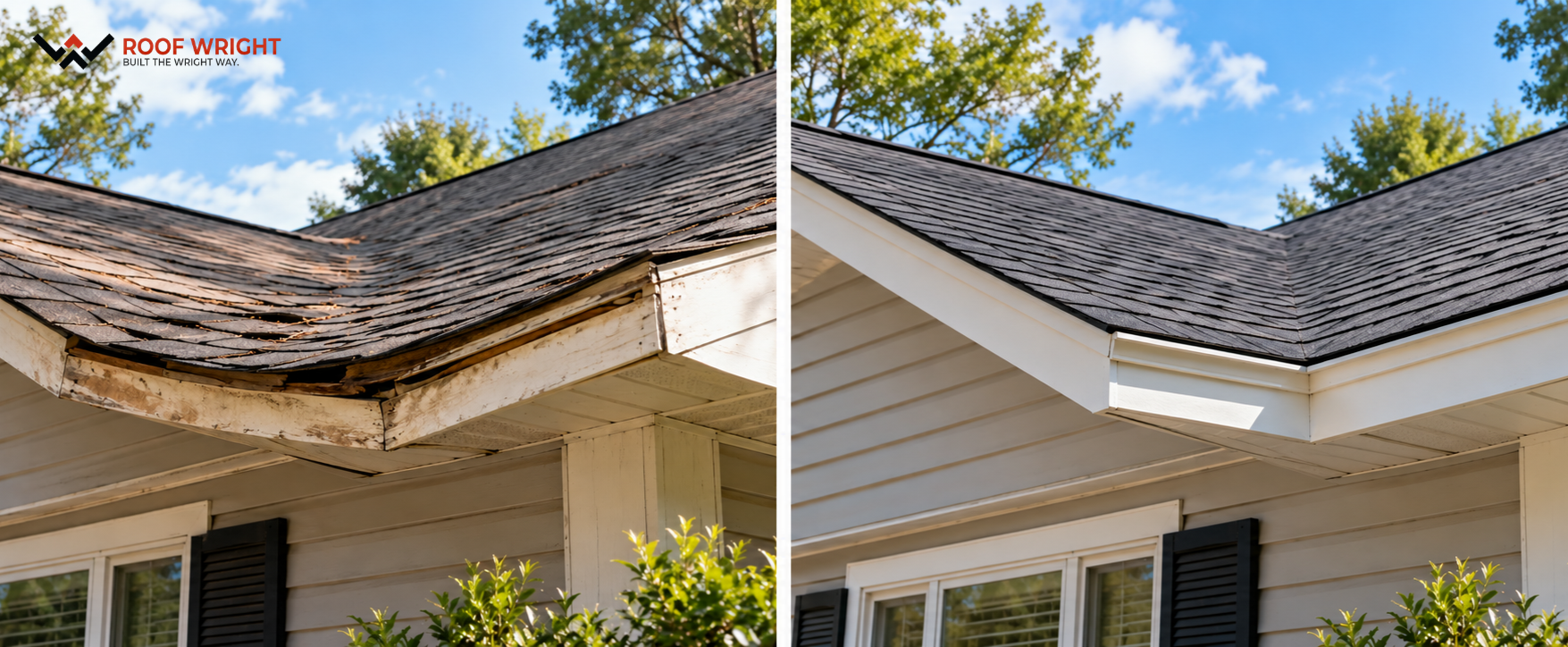
This kind of performance doesn’t happen by accident. It relies on good engineering, fastening systems, edge details, and quality installation. Coastal building codes aim to improve resilience, but just meeting codes isn’t enough. Roofs need careful installation and regular inspections to avoid small problems turning into big ones. If you’re thinking about roof repair, acting quickly after a storm can stop small issues from becoming major damage.
Water Shedding and Moisture Control
Heavy rain can be as damaging as wind, especially when water is driven sideways or collects in weak spots. A well-designed roof should shed water efficiently, protect seams, and prevent hidden leaks around vents, chimneys, and flashing. That’s why quality underlayment and flashing details are essential in coastal climates.
Moisture control affects the structure under the roof too. Repeated leaks can ruin insulation, drywall, and even the framing. Early inspections and prompt maintenance can save you a lot of trouble. If a storm has damaged your roof, it’s usually safer and cheaper to address it right away.
Comparing Popular Roofing Materials for Florida Homes
Metal Roofing
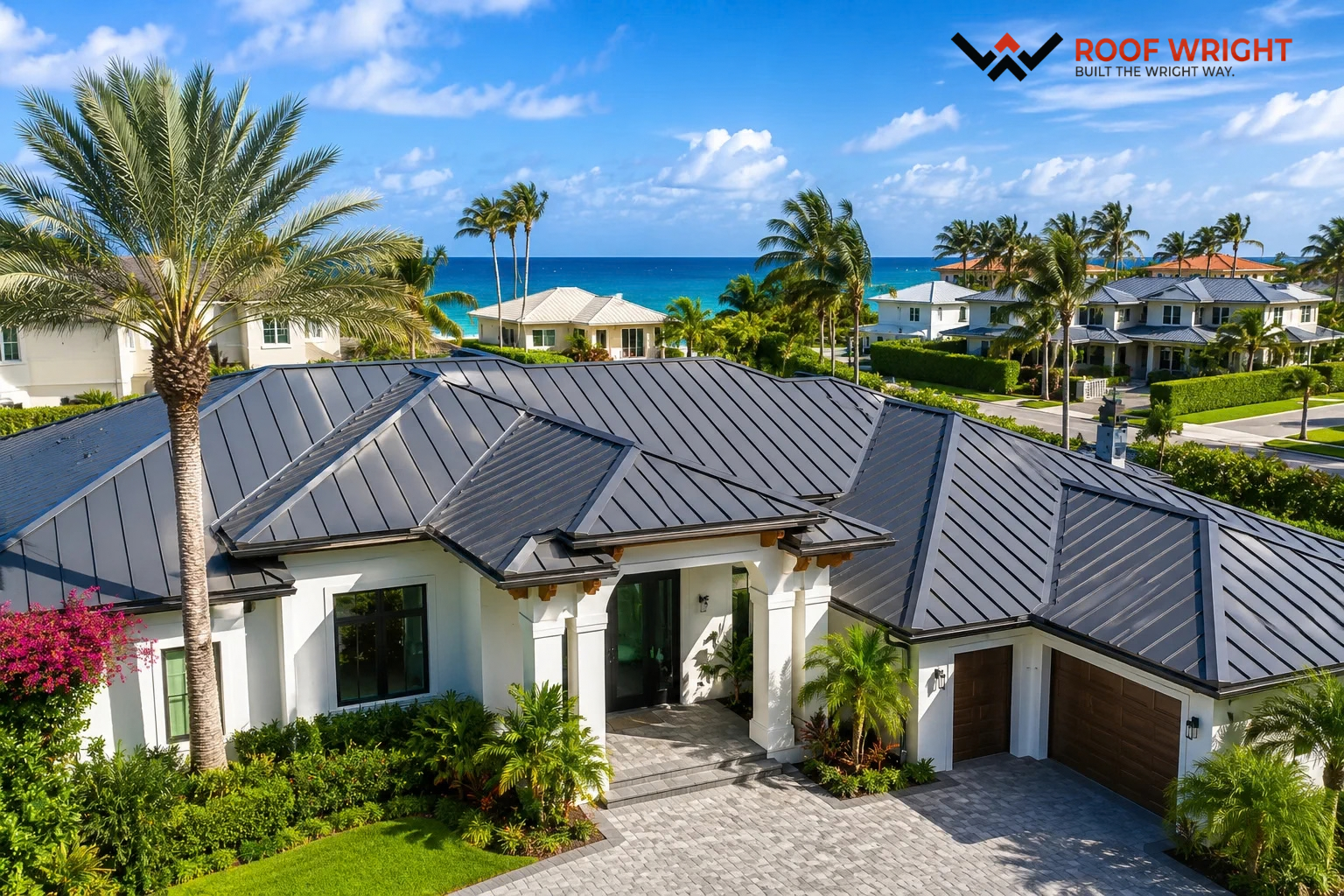
Metal roofing is highly regarded for tough weather because it’s strong and lasts a long time. These roofs can last 40 to 70 years with little maintenance, and their reflective finishes help with heat absorption. In hurricane-prone areas, metal roofing is appealing for its durability and efficiency.
Metal works well with modern installation methods and proper underlayment. It’s a practical choice for those wanting to reduce storm damage and improve efficiency. If you’re weighing long-term options, our metal roofing services offer reliable protection and a sleek look.
Tile Roofing
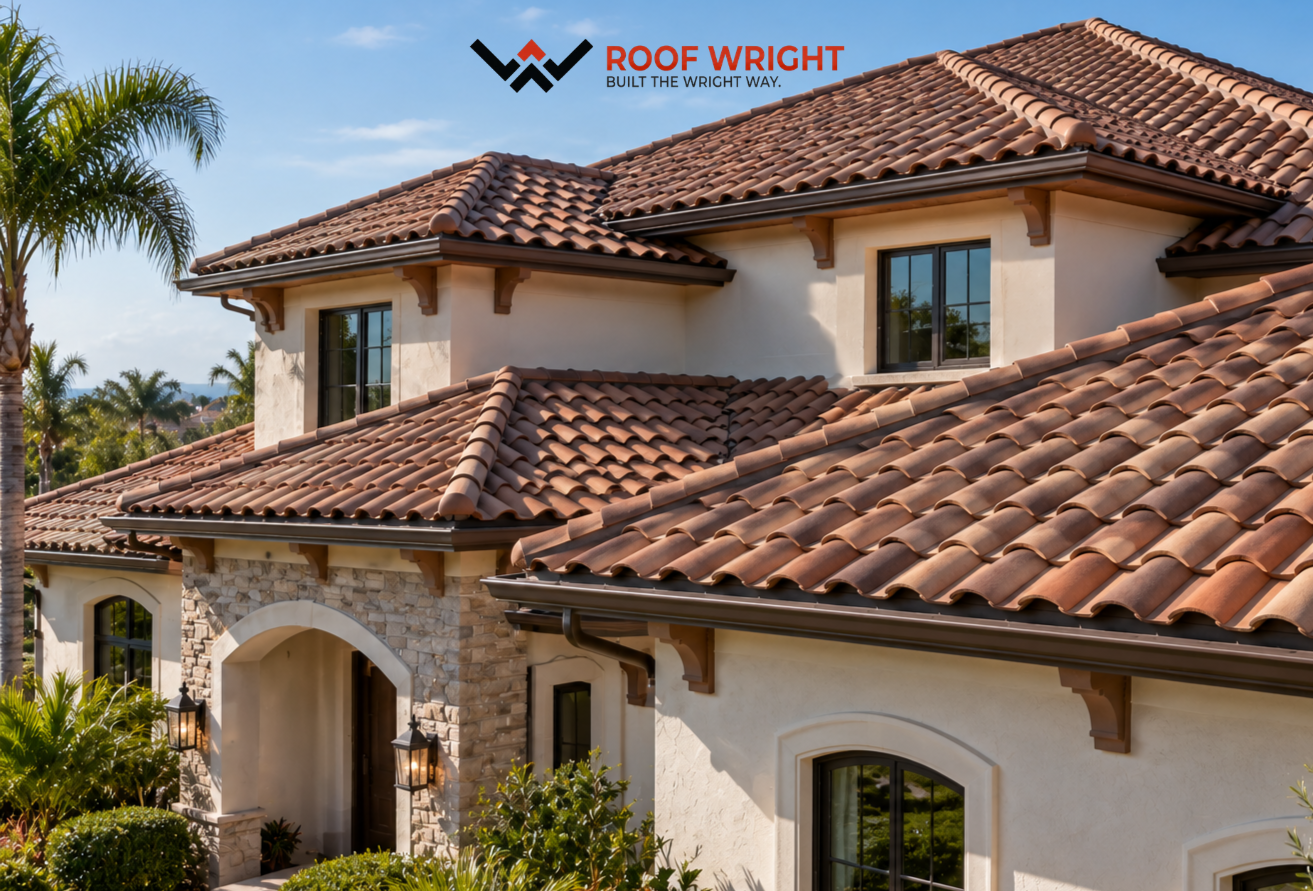
Tile roofing is another solid choice for durability and style. Clay and concrete tiles are known for their long life and classic look. They work well in hot climates when installed properly. Tile roofs are especially appealing for those who want a premium look and strong sun resistance.
However, tile roofing needs careful installation and regular checks because it relies on both the tiles and the parts underneath. For those who love this style, our tile roof installation and repair services help keep your roof both beautiful and reliable.
Shingle Roofing
Asphalt shingles are popular because they’re affordable and easy to install. Modern shingles offer better wind resistance and perform well when installed to code, making them a good option for many homes. But in severe weather areas, they might not last as long as metal or tile roofs.
Shingles can be a smart choice if you’re balancing cost and performance, especially when paired with quality underlayment and maintenance. If you need reliable everyday protection, our shingle roofing options offer easy upkeep and various styles.
Latest Roofing Trends and Tech
Reflective Coatings and Cooler Homes
A big trend in roofing is reflective coatings. These finishes cut down on heat absorption, keeping attic spaces cooler and reducing indoor energy use. In warm, sunny areas, this can make a noticeable difference in comfort and utility bills.
More homeowners want roofing systems that do more than just cover the house. They want materials that help lower costs and improve performance. Reflective metal products and cool-roof technologies are meeting those expectations. Research from the U.S. Environmental Protection Agency highlights how cool roofs can cut heat gain and support urban heat island mitigation.
Improved Weather Engineering
Roofing manufacturers have made big strides in designing systems for extreme conditions. Better fasteners, coatings, edge systems, and panel profiles all boost performance under wind and rain. These upgrades are important in places where storms can hit quickly.
Homeowners now have more choices than ever. The key is picking a product that matches your home’s structure, location, and exposure. Often, the best choice is one tested for wind resistance and durability in coastal environments.
Why Installation Matters as Much as Material
Following Local Building Standards
The best roofing material can still fail if it’s not installed right. Proper installation includes precise measurements, secure fastening, and strong sealants. In storm-prone areas, a small mistake can lead to big problems during high winds or heavy rain.
This is why working with a roofing contractor who knows local codes and climate conditions is important. Professional installation helps ensure your roof performs well and lasts longer.
Picking the Right Contractor
Choosing an experienced contractor is crucial, especially for storm-resistant projects. A contractor should explain material differences, recommend systems based on your needs, and describe how the roof will stand up to harsh weather. They should also communicate clearly during inspections and installations.
If you’re starting a roofing project or need help assessing damage, Roof Wright LLC offers roof installation, replacement, and repair services tailored to Florida homes. We focus on helping you make informed choices so your investment keeps you safe for years.
Maintenance Tips to Extend Roof Life
Schedule Regular Inspections
One of the best ways to protect your roof is through regular inspections. A yearly professional check, plus after major storms, can catch damage early. Inspections can spot missing shingles, loose flashing, and other issues not visible from the ground.
Routine inspections are key in coastal climates where sun, humidity, and rain speed up wear. Catching problems early often means a simple repair instead of a costly replacement. This is a great way to extend your roof’s life and stay worry-free during storm season.
Clear Debris and Fix Minor Damage Fast
Debris like leaves and branches can trap moisture and stress roofing materials. After a storm, clear debris carefully to avoid damage. Also, check for lifted edges or loose materials that could worsen in the next storm.
Small issues rarely stay small in severe weather. A minor leak can lead to interior damage if ignored. If you notice a problem, quick roof repair can protect your system and prevent bigger projects later.
Real-World Example: Metal Roofing in Florida
Strong Against Severe Storms
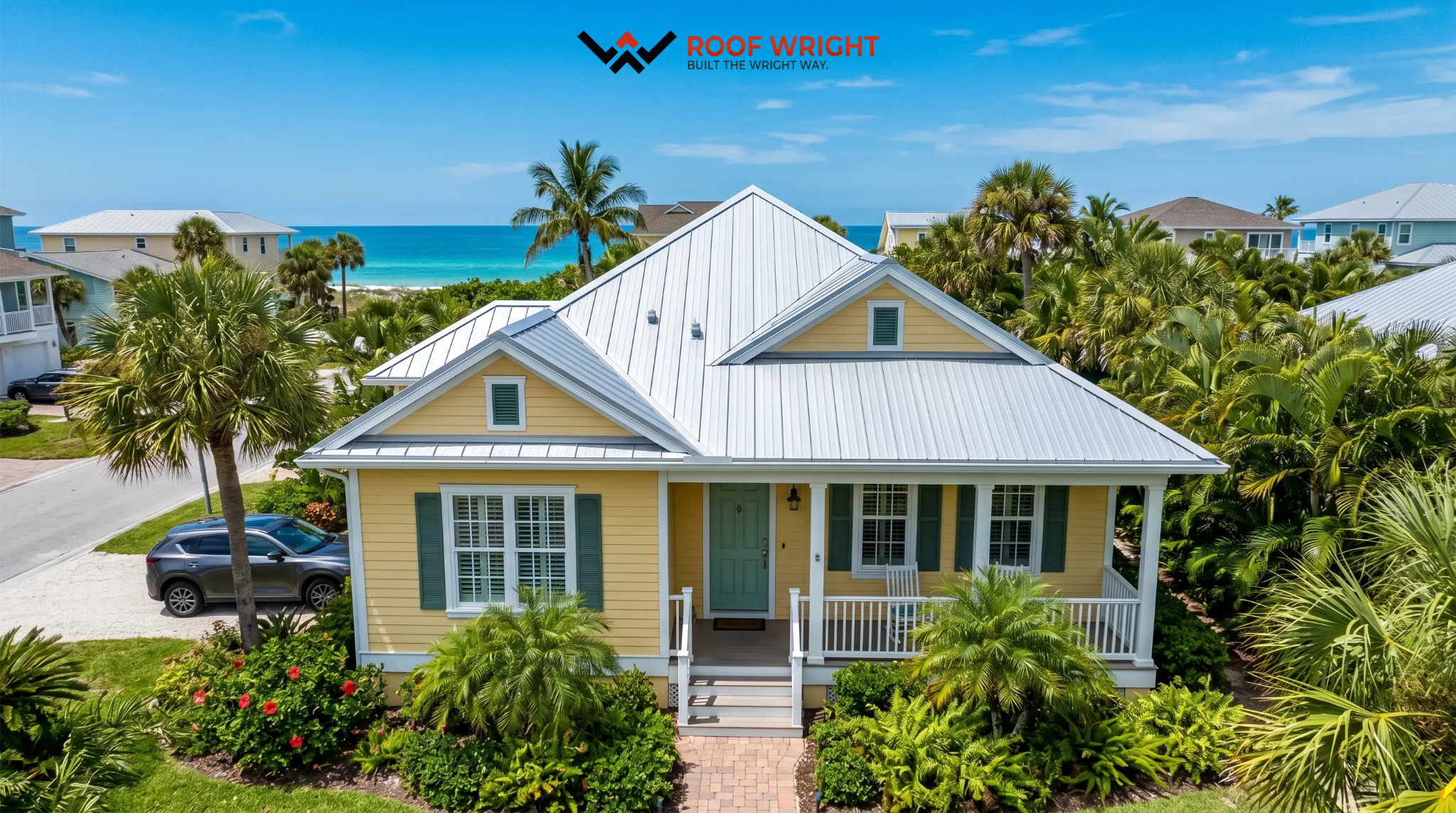
In Florida, many people are switching to metal roofing because it handles severe weather well. These roofs perform strongly in windy and rainy conditions, offering long-term reliability. The combo of wind resistance and long life makes metal roofing a compelling choice for coastal homes.
Industry data often shows metal roofs as top performers in tough weather, lasting 40 to 70 years depending on maintenance. For those wanting to avoid frequent roof replacements, this durability means better value over time and fewer disruptions from repairs.
Lower Cooling Costs and Practical Savings
Metal roofs with reflective coatings can also help lower cooling costs, a big plus in hot climates. Homeowners may see more comfort and less strain on AC systems during long summers. Over time, this can help balance the higher upfront cost of premium roofing materials.
This is where roofing blends protection and financial decisions. A roof that lasts longer, needs fewer repairs, and helps with energy use can offer value well beyond the initial installation. That’s why many see a metal roof as a long-term home improvement.
FAQs About Roofing in Harsh Weather
What Roofing Material is Best for Hurricane Areas?
Metal roofing is often recommended for its strong wind resistance, long life, and energy efficiency. Tile roofing is also good when installed right, especially for those wanting premium curb appeal. The best choice depends on your home’s structure, budget, and storm exposure.
How Often Should I Inspect My Roof?
Inspect your roof at least once a year and after major storms. In coastal areas, more frequent checks might be wise due to salt air, wind, and rain. Professional inspections are the best way to catch hidden issues before they become costly repairs.
Can Roofing Improve My Home’s Energy Efficiency?
Yes. Reflective materials, proper ventilation, and good insulation can all help lower heat gain and reduce cooling costs. This is key in warm climates where roofs get intense sun. Energy-efficient roofing can boost comfort and cut monthly bills.
How Roof Wright LLC Helps Homeowners Stay Safe
Solutions for Florida Weather
Roof Wright LLC knows the demands of Florida’s tough weather. Our experience with stormy conditions helps us recommend roofing systems built for durability and long-term value. Whether you need a new roof or help maintaining one, we provide solutions tailored to local needs.
If you live near the coast, choosing a contractor who understands how heat, humidity, and wind affect roofing systems matters. That knowledge makes a difference in choosing materials, installation, and maintenance. We make the process clear and manageable from start to finish.
Service Options for Long-Term Protection
From complete roof replacement to focused roof repair, we aim to help homeowners protect their property with solutions that fit their needs. We offer expert roof installation for new builds and additions, along with services for metal, tile, and shingle roofing. Each project is handled with craftsmanship and communication in mind.
For those in the area, we provide dedicated support through our West Palm Beach service area. This local focus helps us give the right advice for homes facing coastal weather challenges year after year.
Conclusion: Choose a Roof That Protects and Lasts
The right roof does more than finish your home’s exterior. It shields your family from wind, rain, and debris while improving comfort and efficiency. In tough weather areas, especially along Florida’s coast, roofing choices should focus on durability and maintenance needs.
Metal, tile, and well-installed shingle systems all have their place, but the best choice depends on your home’s exposure and long-term goals. If your roof is aging or damaged, now is the time to act. Explore your options, schedule an inspection, and choose a system designed for your home’s conditions.
If you’re ready to protect your home with a roofing system built for Florida’s weather, contact Roof Wright LLC to discuss your next steps. A stronger roof is a smart investment in safety and peace of mind.